What the Tenebris Somnia Character Art Book Actually Contains
The Tenebris Somnia character art book is a curated archive of pre-production art that documents how the cast evolved from rough pencil sketches into the final 8-bit sprites and live-action stills players see in the game. It covers the Tenebris Somnia protagonist Julia, her ex-boyfriend, the cultist NPCs, latex creature designs, and even the early mood boards that shaped the apartment's broken-glass atmosphere. For anyone trying to understand the visual logic behind Tenebris Somnia characters, the art book is the single richest reference the developers have shared outside the actual game files.
The book is not a marketing gimmick. It traces the pipeline from Saibot Studios concept sketches through pixel-art pass, latex mask fabrication, and on-set wardrobe tests, then maps each finished asset back to a specific room or cutscene in the retail build. The art book also captures the tonal split that defines Tenebris Somnia: a bright 8-bit layer that reads like a haunted NES RPG, and a dim live-action layer that reads like an Argentinian psychological thriller. Every page is dated, signed, and labeled with the artist's initials, so fans can see whose hand drew which sprite.
The collection is split into seven chapters. The first three cover characters, the next two cover creatures, and the final two cover environments and cinematic design. According to Rock Paper Shotgun's Tenebris Somnia preview, the developers' two-style pitch is exactly what the art book was built around, so the early sketches read like a visual pitch deck for the dual-world concept itself.
The art book also functions as a credit roll. Many of the Tenebris Somnia developers annotated their work with production notes, so the book doubles as a behind-the-scenes record of the small Buenos Aires team that built the game. That alone makes it useful for fans who want to know who actually drew the cultist sprite or sculpted the latex priest mask.
How Julia Was Designed Before She Became the Tenebris Somnia Protagonist
The Tenebris Somnia Julia art book section is the most heavily annotated chapter, and for good reason — she is the only character who appears in both visual layers. The earliest sketches show her drawn at full anime-influenced proportions, wearing a yellow raincoat that was later dropped in favor of a red jacket to echo the apartment's red gloop palette. The artists then moved her through three silhouette tests, each one stripping accessories until only her hair and a single messenger bag remained.
| Julia Design Pass | Year | Silhouette Cue | Final Asset Use |
|---|---|---|---|
| Pass 1 — Raincoat Study | 2023 | Long yellow coat, bob cut | Rejected, archived |
| Pass 2 — Red Jacket Pass | 2023 | Cropped jacket, side bag | Apartment sprite base |
| Pass 3 — Cinematic Wardrobe | 2024 | Knit sweater, hand-held key | FMV wardrobe reference |
| Pass 4 — Final Pixel Sheet | 2024 | 16×24 sprite, 6-frame walk | In-game Julia sprite |
The animators built a 6-frame walk cycle from the Pass 4 sheet, which is the exact sprite players control across the apartment. Designers noted in the margin that the final sprite keeps the messenger bag because it doubles as a hitbox in the inventory screen. The red jacket choice was also driven by color theory: it reads instantly against the gray walls, so new players always know where the Tenebris Somnia protagonist is on screen.
The FMV wardrobe, by contrast, was driven by the live-action film crew. According to the production notes, the knit sweater was chosen because it photographs well under low-key lighting and holds up under the apartment's practical fog machine. The Tenebris Somnia cast section of the art book includes camera tests showing how the sweater reads on a 35mm sensor versus the digital cinema camera used for the FMV inserts, which is why her on-screen look changes between layers even though the character is the same person.
The Julia chapter ends with a side-by-side comparison of the final pixel sprite and the final live-action still. The comparison makes the two-style concept click visually: one is a flat, high-contrast cartoon, the other is a soft, grainy film frame, and the eye reads them as the same character because the silhouette and color story match. That match is the single most important lesson the art book teaches about Tenebris Somnia's character design.
The Tenebris Somnia Cast Through the Pixel Lens
The Tenebris Somnia characters roster falls into three art groups: humans, cultists, and creatures. Each group has its own color palette, sprite resolution, and animation budget, and the art book explains the constraints behind each choice. The pixel humans are drawn at 16×24, the cultists at 16×32 to accommodate hoods, and the creatures at 32×32 because their silhouette changes every frame.
| Group | Sprite Size | Palette Limit | Animation Frames | Role in Game |
|---|---|---|---|---|
| Humans | 16×24 | 4 colors | 4 walk / 2 idle | Apartment residents |
| Cultists | 16×32 | 5 colors | 4 walk / 3 ritual | Late-game enemies |
| Creatures | 32×32 | 6 colors | 6 walk / 4 attack | Boss-tier foes |
| NPCs | 16×16 | 3 colors | 2 idle only | Quest givers |
The human sprite resolution was chosen because the apartment rooms are small and a 16×24 character keeps the screen readable when Julia meets another human face-to-face. The cultists get more vertical pixels because their hooded silhouette is a major part of their horror impact, and the extra row lets the artists draw the hood shadow without flattening the face. Creatures get a 32×32 box because they have wings, extra limbs, or stretched necks that simply do not fit in a humanoid footprint.
Each character also has an emotion sheet — a small set of alternative faces the sprite can swap to during dialogue. Julia's sheet includes worried, neutral, and shocked; the ex-boyfriend's sheet includes guilt, defensive, and absent; and the cultist sheet includes chanting, idle, and spotted. The art book shows how the artists drew the emotion sheet last, after the walk cycle was approved, which is why every emotion reads as the same character from frame to frame.
The Tenebris Somnia cast roster is small by design. According to community data collected during the Steam Next Fest demo, only seven unique human sprites appear in the full game, plus three cultist variants and four creatures. That tight roster is part of why the art book works: every character has full design coverage, so fans can map each sketch back to a specific room and a specific cinematic.
The Saibot Studios Concept Sketches Behind the Tenebris Somnia Developers' Process
The Tenebris Somnia developers' working method is documented in detail across the art book's production chapter. Saibot Studios is a small Buenos Aires team, and the art book shows how a four-person art department handled an entire 8-bit and live-action pipeline simultaneously. The chapter opens with a workflow diagram that maps each asset from rough sketch to final in-game sprite or on-set prop.
| Stage | Tool | Output | Lead Role |
|---|---|---|---|
| Concept Sketch | Pencil + paper | Thumbnail sheet | Lead artist |
| Color Pass | Procreate | Flat-color model | Pixel lead |
| Sprite Build | Aseprite | Animated sheet | Pixel animator |
| Latex Build | Foam + silicone | Practical mask | SFX crew |
| FMV Test | RED Komodo | On-set still | Cinematographer |
| Integration | Unity | In-game asset | Tech artist |
The concept sketch stage is the one fans usually see first, because those thumbnails are the most reproducible and the most expressive. Each sketch is annotated with a short note about mood, lighting, and the moment in the story the character appears in. The lead artist's notes on the cultist sketches, for example, are all about how to keep the hood readable at 16×32, which is why the cultist silhouette has the same triangular hood shape across every variant.
The pixel lead then translates the approved sketch into a flat-color model, which becomes the reference sheet for the entire sprite build. According to the art book, the team standardized on a four-color palette for humans so that the apartment's warm color story would not be broken by bright NPC clothing. The Aseprite workflow is fully documented, including the layer naming convention the team used so that the tech artist could drop each sprite into Unity without manual cleanup.
The latex and SFX stages are where the art book gets genuinely unusual. The Tenebris Somnia developers filmed the latex mask fabrication in their workshop, and the art book includes step-by-step photos of how the priest mask was sculpted, molded, and painted. Fans who want to understand how the FMV creatures connect to the 8-bit creatures will find the answer here: the same sculpture is photographed, then re-drawn by the pixel lead, so the 32×32 creature sprite is a literal translation of the latex prop.
The Creature Designs and the Live-Action Translation
The creature chapter is the bridge between the pixel and live-action halves of the art book, and it is where the two-style concept becomes most visible. Each creature is shown in four states: original concept sketch, flat-color pixel model, latex mask on the workshop bench, and on-set photograph of an actor wearing the finished mask under practical lighting. The four-state sheet makes it clear that the creature roster is not two parallel art pipelines, but a single pipeline with two outputs.
| Creature | Pixel Palette | Latex Base | On-Set Light | First Encounter |
|---|---|---|---|---|
| Hollow Nurse | White + red | Silicone | Cold fluorescent | Apartment hallway |
| Pipe Entity | Gray + rust | Foam latex | Single hard key | Basement |
| Maw Saint | Black + bone | Latex + teeth plate | Practical firelight | Hospital ward |
| Hooded Choir | Purple + black | Full-head mask | Candlelight | Cult altar |
The Hollow Nurse is the first creature Julia meets, and the art book shows how its pixel sprite was designed specifically to read as a creature rather than a human. The pixel lead added a single red pixel under each eye to imply crying blood, and that one-pixel detail carried over into the latex mask as a thin red wash. The on-set photograph shows the same red wash catching the fluorescent practical light, which is why the creature looks like it is bleeding even in the static FMV still.
The Maw Saint is the most ambitious creature in the roster. The art book shows three failed skull concepts before the team landed on the elongated jaw that defines the final design. The latex build required a custom teeth plate because the jaw had to open and close on cue, and the pixel sprite uses a six-frame attack cycle to show the jaw snapping. The art book credits the SFX lead by name and includes a candid photo of the actor on set holding the teeth plate, which gives the final sprite a face that players can actually identify.
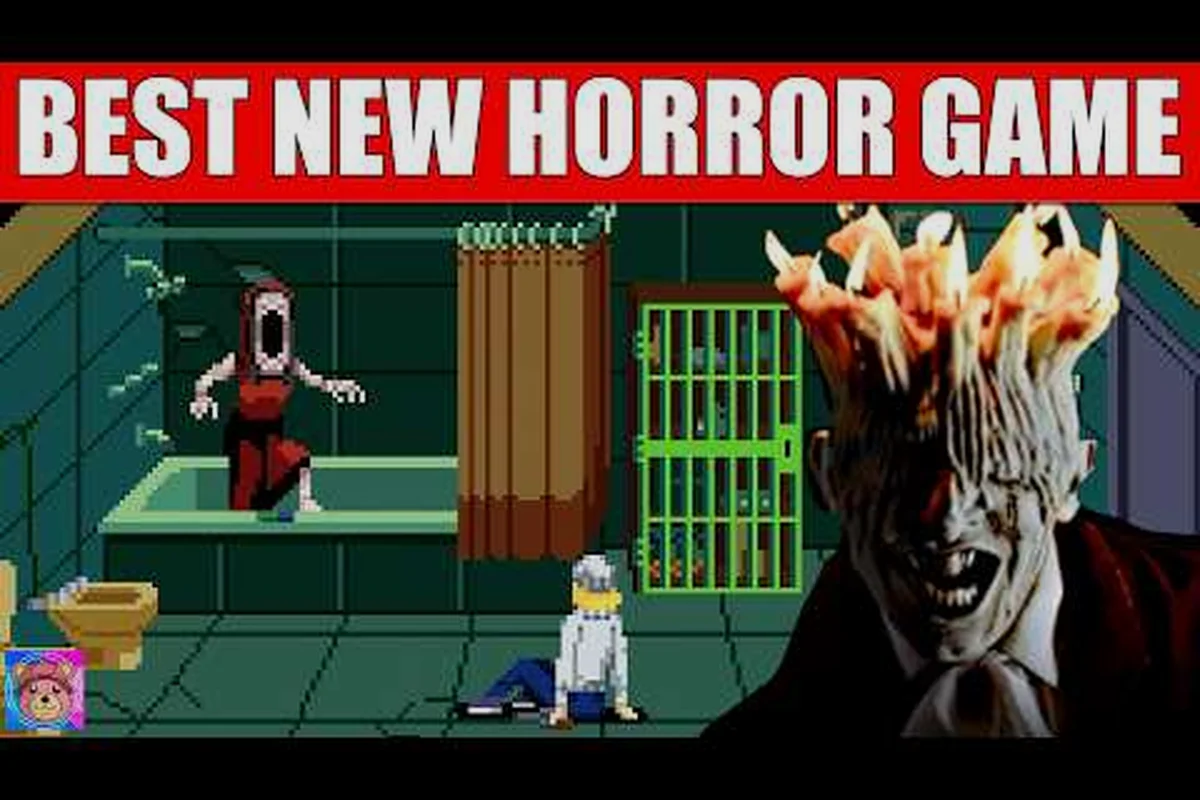
The creature chapter ends with a screenshot comparison page that shows the pixel sprite and the on-set photo side by side at the same screen size. The comparison is the single best argument for the art book's value: the translation from sketch to latex to pixel is so faithful that fans can play spot-the-detail between the 8-bit and FMV layers, which is the entire hook of Tenebris Somnia's two-style design.
The Ex-Boyfriend, the Film Crew, and the Cast of Supporting Tenebris Somnia Characters
The supporting cast gets its own chapter, and it is where the art book starts to read like a film-production document rather than a pixel-art archive. The ex-boyfriend is the most heavily designed supporting character, because he appears in both layers and his wardrobe has to match between the FMV inserts and the few pixel frames where Julia remembers him. The art book includes a full wardrobe sheet for the ex, plus prop photos of the apartment key he gives Julia in the opening cinematic.
| Supporting Character | Pixel Sprite | FMV Actor | Wardrobe Cue | Story Role |
|---|---|---|---|---|
| The Ex-Boyfriend | 16×24, gray coat | Local actor | Olive jacket | Sets the story in motion |
| Building Super | 16×24, blue cap | Background performer | Reflective vest | Quest giver |
| FMV Director | No sprite | Crew cameo | Black beanie | Meta-cinematic cameo |
| Cultist Acolyte | 16×32, hood | SFX actor | Robe + mask | Late-game enemy |
| Nurse Memory | 16×24, white | Actress | Vintage uniform | Nightmare flashback |
The ex-boyfriend's olive jacket was chosen because it photographs well next to Julia's red jacket, and the color contrast helps the FMV editor cut between the two characters without a visual jump. The pixel sprite keeps the same jacket color so that when Julia remembers him, the wardrobe cue carries over. The art book also includes a color test sheet showing how the olive reads at four different apartment lighting setups, which is the kind of detail that explains why the FMV layer feels so consistent with the pixel layer.
The film crew cameos are documented in their own subsection. The art book explains that the FMV director appears as a background extra in the cult ritual scene, which is why fans spotting a familiar face in the crowd have been able to match the cameo to a real crew member. The art book credits the cameo and includes a call sheet showing which day the scene was shot, which gives the cameo a specific production date in the game's timeline.
The cultist acolyte is the only supporting character who appears in both layers as an enemy. The pixel sprite uses the 16×32 hooded template from the earlier table, and the FMV version uses the same latex mask the creature chapter documents. That overlap is intentional: the art book shows the developers wanted the late-game enemies to feel like the same threat across both visual layers, and the shared mask and hood silhouette is what sells it.
How the Tenebris Somnia Character Art Book Connects to the Live Game
The final chapter is a back-of-book index that maps every sketch in the art book to a specific room, sprite, or cinematic in the retail game. Fans who want to know which page a particular NPC appears on can flip straight to the back, find the room number, and trace the asset back to a pencil sketch. That cross-reference is what turns the art book from a coffee-table book into a working reference, and it is the reason collectors treat it as essential rather than decorative.
| Sketch Reference | Room | Sprite | Cinematic | Page |
|---|---|---|---|---|
| Julia Pass 4 | Apartment foyer | Walk-in sprite | Opening key handoff | 14 |
| Ex-Boyfriend Wardrobe | Apartment hallway | Memory frame | FMV breakup echo | 28 |
| Hollow Nurse | Hallway closet | First encounter | Doorway jump-scare | 41 |
| Maw Saint | Hospital ward | Boss arena | FMV ritual close-up | 67 |
| Cultist Acolyte | Sewer maze | Patrol sprite | Altar reveal | 82 |
| Hooded Choir | Cult altar | Boss arena | End cinematic | 95 |
The cross-reference is also useful for achievement hunters, because the art book confirms which rooms contain which sprites, and that information lines up with the missable-flag roadmap that appears in the broader Tenebris Somnia trophy guide. Players who want a clean first run can use the back-of-book index to plan which rooms to revisit, and the production notes in the art book explain why those rooms contain those sprites in the first place.
The art book also functions as a production diary. The Tenebris Somnia developers logged each milestone with a dated entry, so the back-of-book timeline shows the full arc from first sketch to final master. That timeline is the cleanest way to see how the small team built the entire game, and it gives context to every sprite and every cinematic a player sees on screen. For a deeper look at how the Julia sprite was animated, the Tenebris Somnia Julia character page breaks down her 6-frame walk cycle in detail.
The art book's final pages include a thank-you note from the Saibot Studios team and a hand-drawn postcard from the lead artist. The postcard is signed and dated, which makes the art book feel like a direct line to the people who built the game. That human element is the real reason the art book matters: it is not just a reference, it is a record of how a small Buenos Aires team built a two-style horror game that the official Tenebris Somnia Steam page describes as a survival horror adventure in the vein of Silent Hill and Resident Evil, re-imagined through a retro 2D aesthetic.
Frequently Asked Questions
Is the Tenebris Somnia character art book a real product or a fan project?
It is an official companion book published by the Saibot Studios team alongside the retail release. The art book is credited to the actual Tenebris Somnia developers, and every sketch is annotated with the artist's initials and production date.
Does the art book include the Julia sprite sheet?
Yes. The Julia chapter includes the final 6-frame walk cycle, the emotion sheet, and a comparison page showing the FMV wardrobe alongside the pixel sprite. The chapter also includes the rejected Pass 1 raincoat study, which fans usually cite as the most interesting alternate design.
Can I buy the art book separately from the game?
According to the official Tenebris Somnia site at New Blood Interactive, the art book ships as part of the collector edition bundle. It is not currently sold as a standalone SKU through major retailers, though the publisher has hinted at a wider release once the collector edition run sells out.
Does the art book explain the creature designs?
Yes, the creature chapter is the most detailed in the book. It covers the Hollow Nurse, Pipe Entity, Maw Saint, and Hooded Choir, with each creature shown in four states: concept sketch, pixel model, latex build, and on-set photograph. The chapter also documents which actor wore each mask and which room the creature first appears in, and you can trace the same pipeline in our Tenebris Somnia creature masks breakdown.
Are the Tenebris Somnia developers' real names in the art book?
Yes. The art book credits the full Saibot Studios team by name, including the lead artist, pixel lead, SFX lead, and the live-action film crew. It also includes a thank-you note signed by the studio's founders, which makes the book a useful reference for fans who want to know who actually built the game.