
Story
Tenebris Somnia story and lore explained — Julia's breakup, the film-maker ex-boyfriend, the occult books, red gloop and what the live-action nightmares really mean.
Introduction
The Story category digs into the disturbing narrative of Tenebris Somnia: Julia, a young woman still getting over a painful breakup, visits her film-maker ex-boyfriend to return an old apartment key and finds a scene of quiet chaos — broken glass, strange red gloop and creepy occult books. The official tagline asks, What if they aren't just nightmares? That question drives every theory and analysis in this section. Because the full game has not launched, the story pages separate what Saibot Studios and New Blood Interactive have confirmed from what remains intentionally ambiguous. The live-action FMV sequences — filmed by an award-winning Argentine crew — are the game's most distinctive storytelling device, and our analyses treat them as a mechanical clue source as much as a cinematic reward.
Story Pillars at a Glance
| Story Pillar | What We Know | Confidence |
|---|---|---|
| Julia's Breakup | Emotional core — she is still getting over the relationship | Confirmed |
| The Apartment | Broken glass, red gloop, occult books await her | Confirmed |
| Live-Action FMV | Key beats filmed by an Argentine award-winning crew | Confirmed |
| What If Not Nightmares | Official tagline that frames the whole mystery | Official Tagline |
Story Pillar Cards
Julia
The protagonist at the center of the nightmare
The Ex-Boyfriend
The film-maker whose apartment hides secrets
The Apartment
A domestic space turned crime scene
Red Gloop
The anomalous substance that ties the mystery together
The Cinematics
Live-action footage that flips your perspective
Core Mechanics
The story of Tenebris Somnia is delivered through three interlocking systems. First, environmental storytelling: the apartment is packed with objects, broken glass, red gloop and books that communicate backstory without a single line of dialogue. Second, the inventory-and-combination loop doubles as narrative discovery — the items you combine are usually the same clues that explain what happened before you arrived. Third, the FMV sequences interrupt the pixel world with live-action footage that re-contextualizes everything you thought you knew. Together these systems mean the story is not something you watch between levels; it is something you uncover by exploring, reading and experimenting — exactly the way the tagline wants you to question whether the nightmares are real.
Advantages
The story pages give you a framework before launch so that when you play Tenebris Somnia, every clue lands with the weight it deserves. You will recognize the significance of the red gloop, understand why Julia's breakup matters emotionally, and know which FMV reveals are meant to shock versus which are meant to inform. Our analyses separate confirmed facts from interpretation, so you can enjoy the mystery without being misled by fan theories presented as canon. For a horror game that rewards careful attention, arriving with context makes the experience richer — you will notice details that casual players walk straight past, and you will understand the production choices that make the live-action sequences so distinctive.
Challenges
The unavoidable limitation of the story category is that the full narrative is not public yet. We can analyze the opening, the demo and official announcements, but the complete arc — the true meaning of the red gloop, the ex-boyfriend's fate, the number of endings and what the tagline really means — remains unrevealed until launch. Any article that claims to know the full ending is guessing, and we refuse to present speculation as canon. Our story content is therefore a living document: theories are clearly labeled, confirmed facts are sourced to official material, and the moment the game launches on October 16, 2026 we will update every page with the complete picture and correct any early interpretations.
Frequently Asked Questions
What is the story of Tenebris Somnia?+
Is Tenebris Somnia connected to FAITH?+
What do the live-action FMV scenes mean?+
Is there a secret ending?+
Quick Tips
Read every object description — the story is told through item text as much as through cutscenes, and each description is a piece of the puzzle. The occult books, the apartment key and the strange objects all carry lore that explains what happened before Julia arrived. The developers put real narrative weight into item text, so reading slowly is never wasted time in this game.
Pay attention to the red gloop in both the pixel world and the FMV footage; its recurrence is almost certainly a clue, not decoration. Whatever the substance is, the game is deliberately showing it to you twice, which makes it a strong candidate for the literal answer to the tagline's question.
Watch the live-action scenes twice — the first time for shock, the second for the objects and locations they reveal. The FMV footage is dense with production detail and puzzle hints, and a second pass usually surfaces clues you missed while absorbing the horror. Keep a notepad handy during the FMV scenes so you can jot down objects and locations that pay off a few rooms later.
Julia's breakup is not backstory; it is the emotional lens that makes every horror beat feel personal. When the apartment's chaos lands on her like a wound, the game is asking you to feel her history with the ex-boyfriend, not just solve the next puzzle. Letting yourself feel Julia's history makes the horror land harder, which is exactly the experience the writers designed for you.
Featured
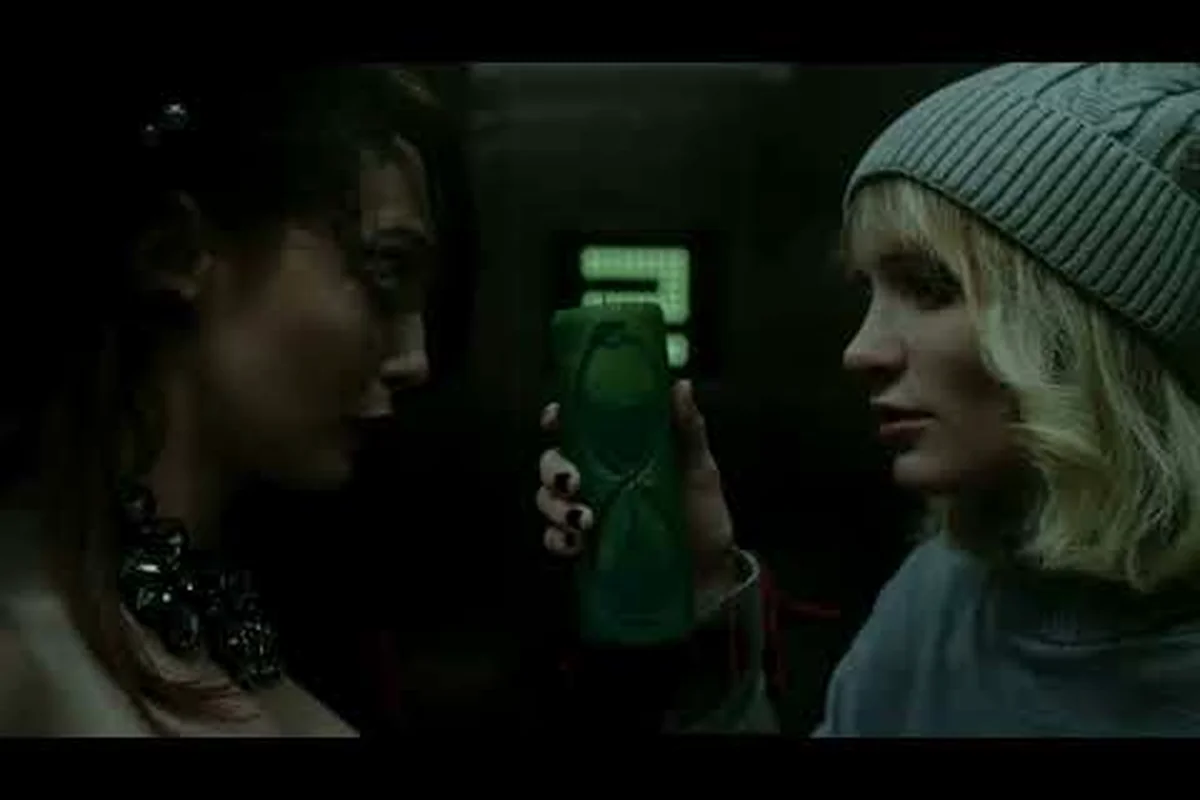
Tenebris Somnia Julia Story: Her Film-Maker Ex and FMV Layers
Trace the Tenebris Somnia Julia story through her film-maker ex's apartment, live-action FMV scenes, and the red gloop clues behind her descent.
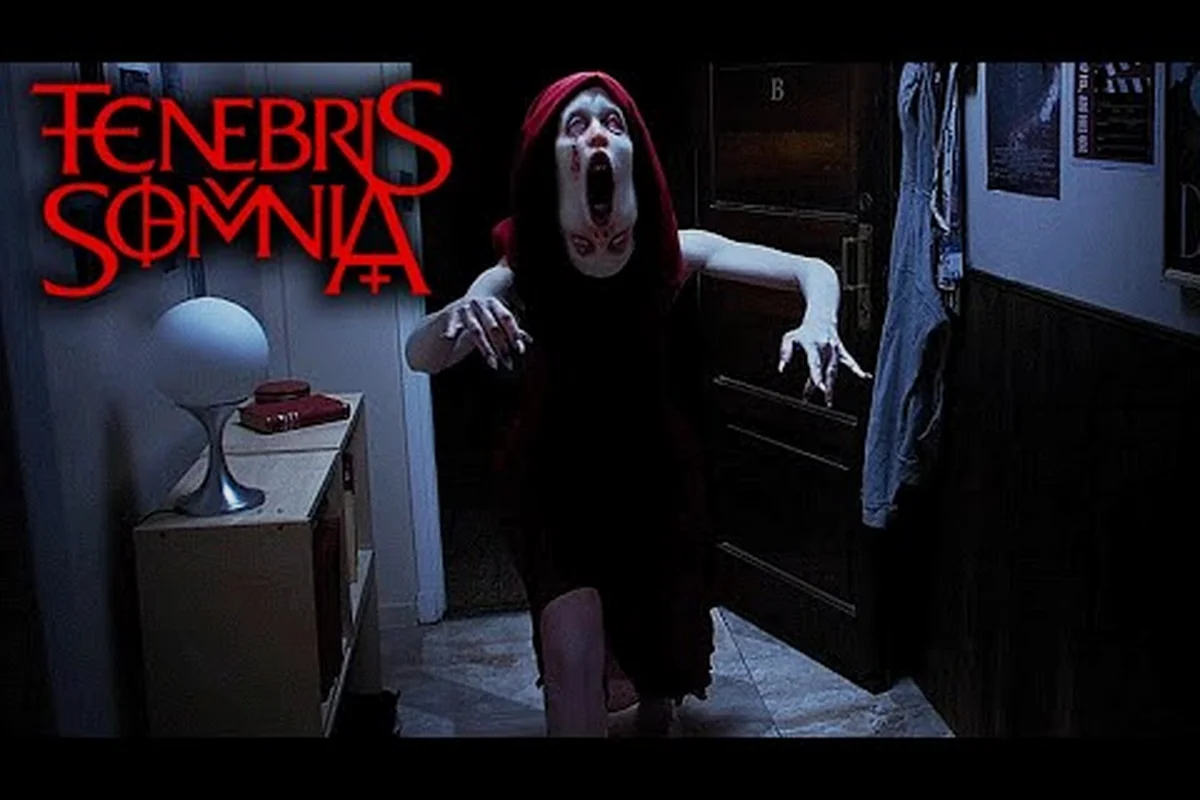
Tenebris Somnia Faith Connection: Argentina Film DNA Explored
Explore the Tenebris Somnia Faith connection through the 2005 Argentina horror film crew, practical effects builds, and the cinematic roots shaping Airdorf's vision.
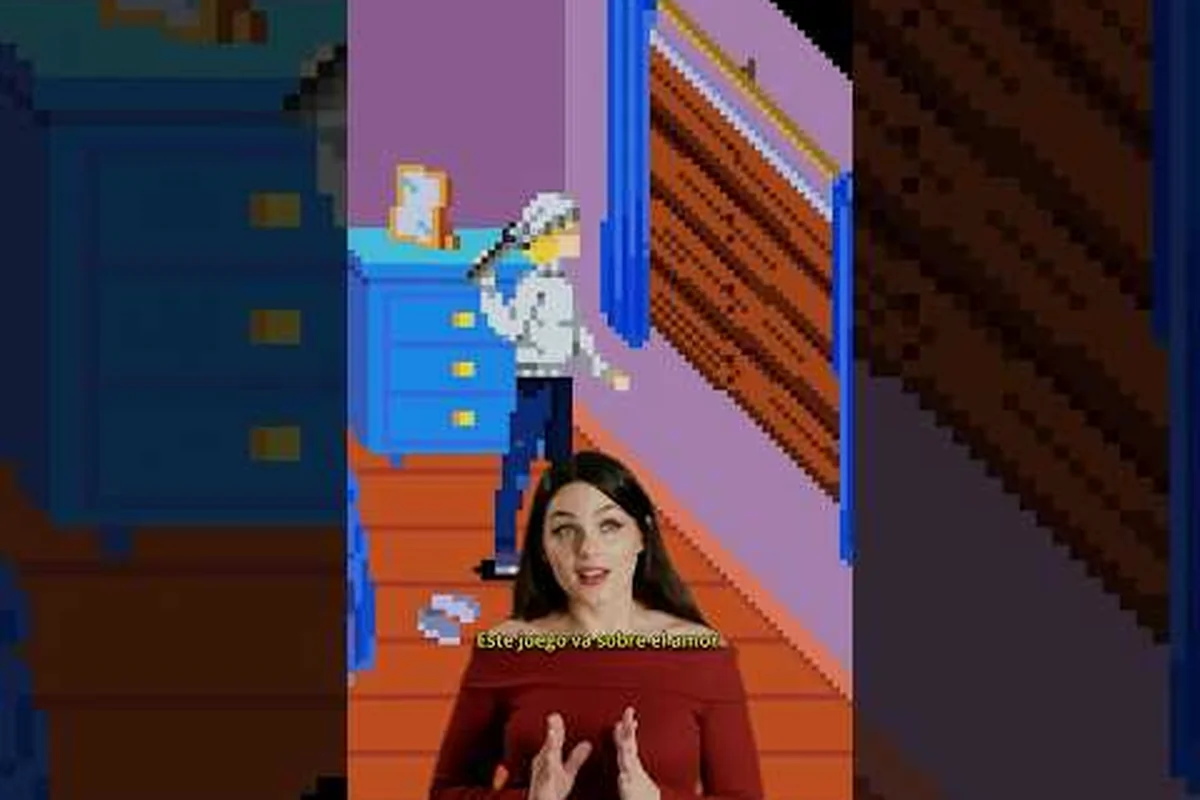
Tenebris Somnia Occult Books: Red Gloop Texts Translated
Decode every Tenebris Somnia occult book with red gloop passage translations, nightmare realm lore, and the dream-versus-reality split haunting Julia.
All Articles
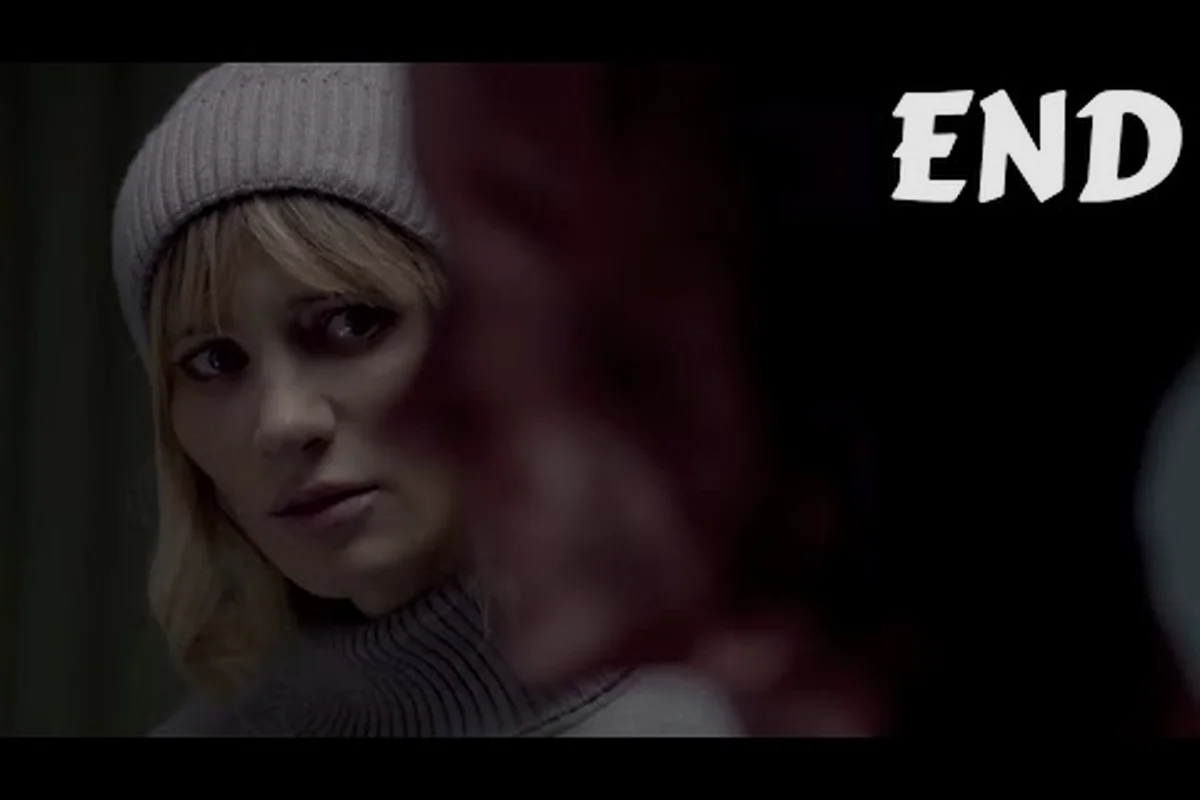
Tenebris Somnia Story Spoilers: Full Plot Walkthrough and Reveals
Uncover Tenebris Somnia story spoilers from Julia's apartment key drop to the red gloop cult reveal and every nightmare ending explained in detail.
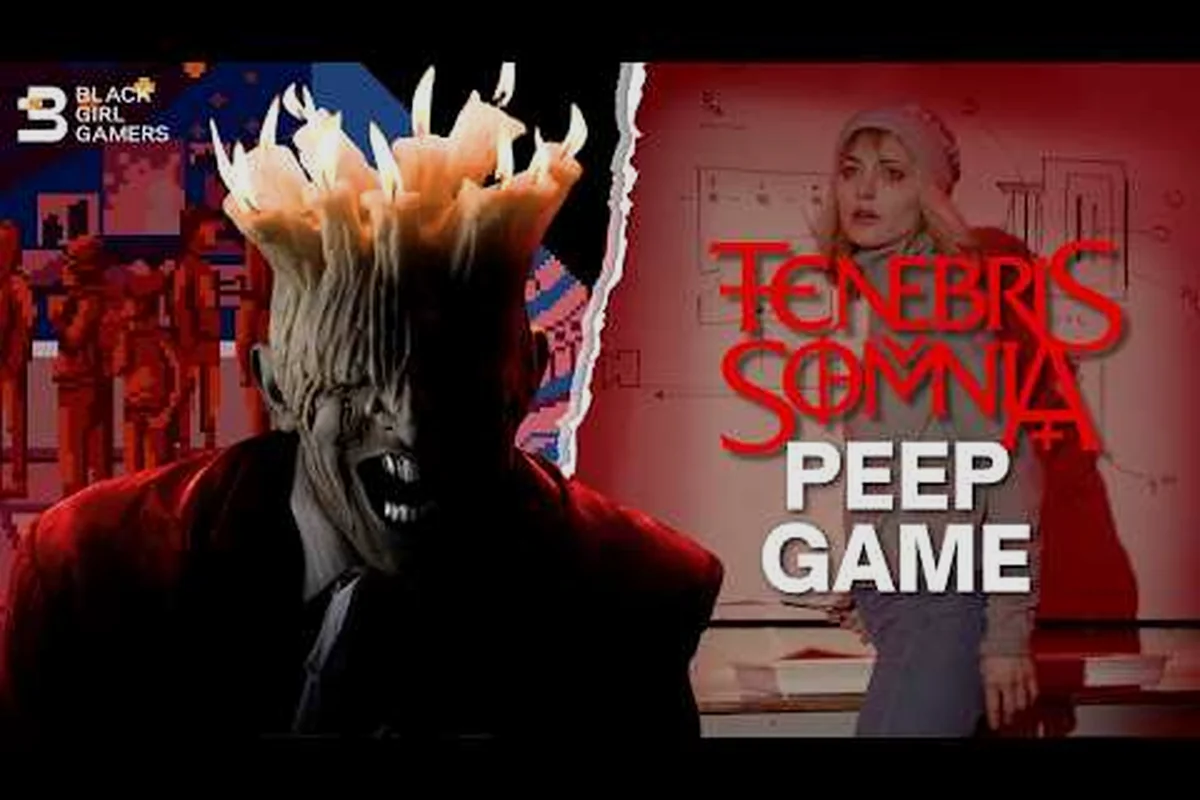
Tenebris Somnia Theory: Symbolism and Nightmare Metaphors
Dive into Tenebris Somnia theory unpacking Julia's FMV cutscenes, the ex-apartment symbolism, and the nightmare-versus-reality metaphors behind the 8-bit horror.
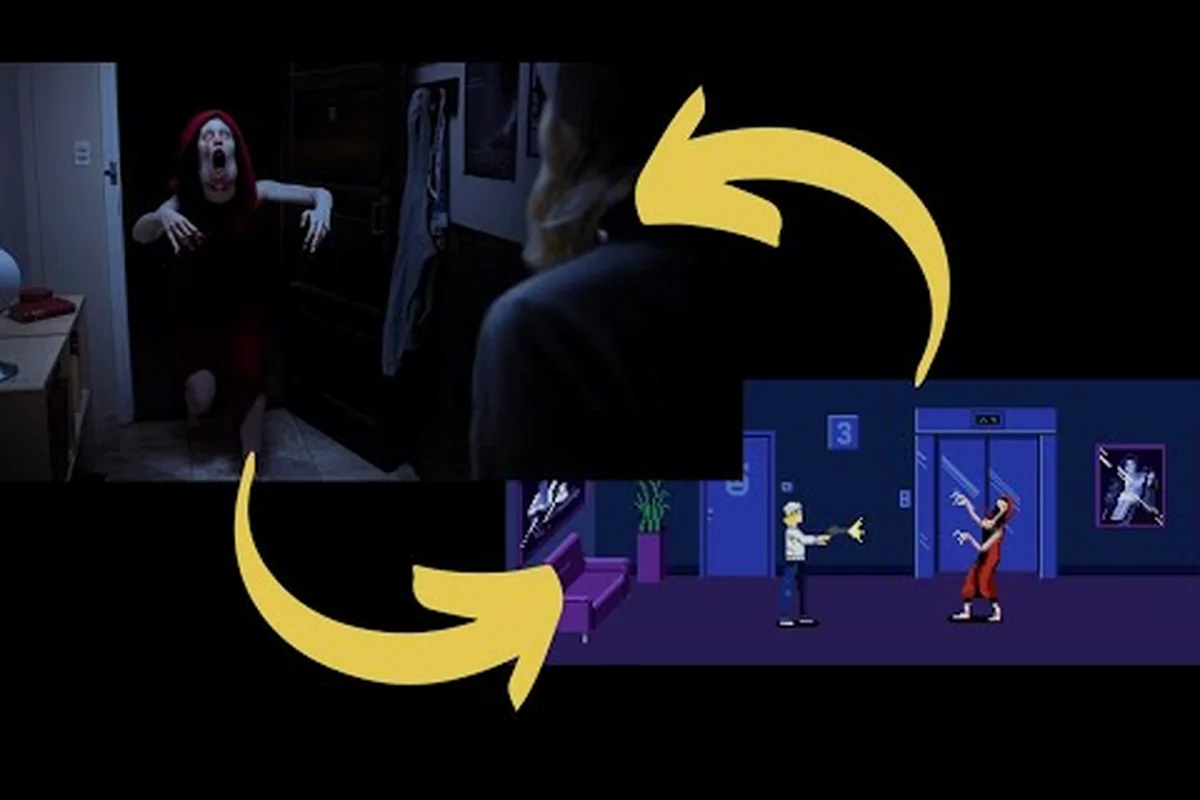
Tenebris Somnia Story Explained: Julia's Nightmare Unpacked
Unpack the Tenebris Somnia story explained from Julia's apartment key drop to the red gloop cult reveal and what her nightmare really means.
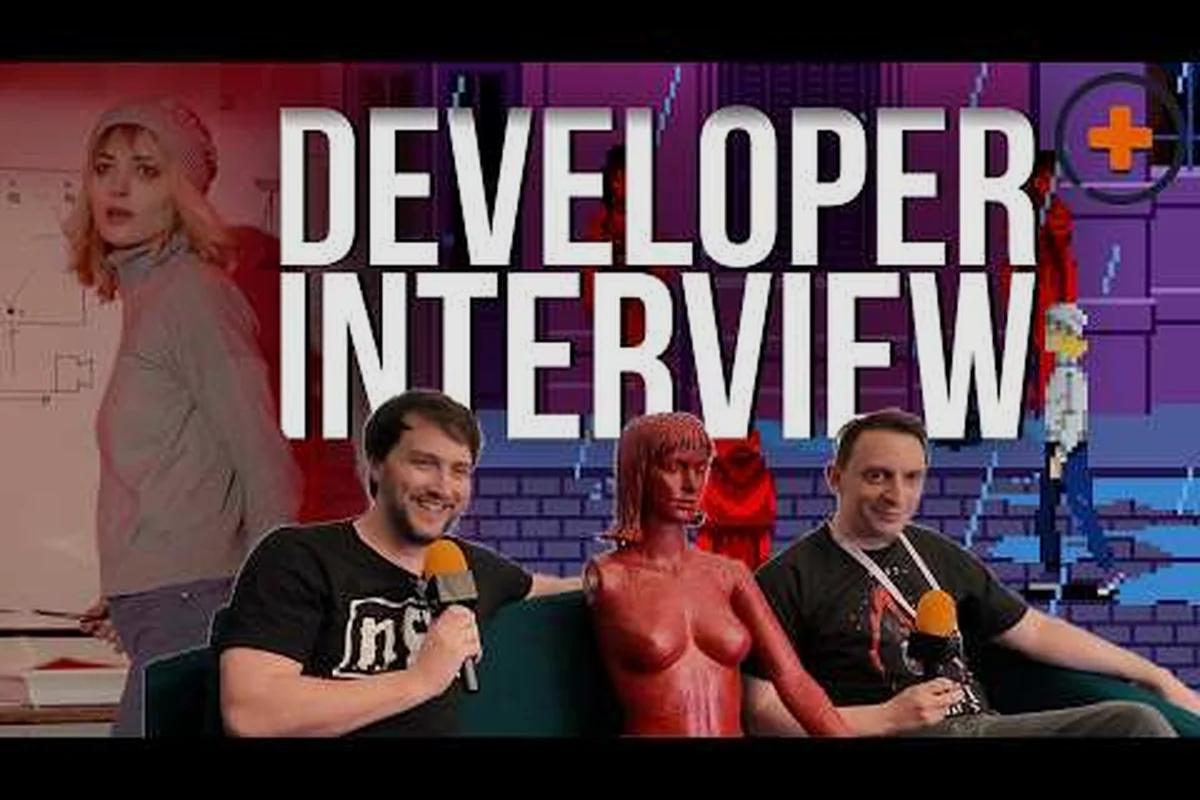
Tenebris Somnia Is It Real: Development Timeline and Origins
Find out whether Tenebris Somnia is it real or pure fiction, tracing the horror development timeline and the Argentine film crew behind Julia's nightmare.